
Free Life Labs





Menthol Cream Versus Capsaicin for Nerve Pain
Burning feet at bedtime, prickling sensations during a walk, or pain from socks brushing against your skin can make even simple routines feel exhausting. When comparing menthol cream versus capsaicin, the better choice often comes down to the kind of relief you need right now, how sensitive your skin is, and whether you can tolerate a warming sensation before it gets better.
Both are non-prescription topical options that may help manage localized discomfort. They work differently, feel very different on the skin, and require different expectations. Understanding those differences can help you choose a product that supports comfort without adding another frustrating step to your day.
Menthol Cream Versus Capsaicin: The Core Difference
Menthol creates a cooling sensation on the skin. It activates receptors involved in sensing cold, which can help distract from pain signals and provide a fast, refreshing feeling over the area where it is applied. For people dealing with burning, aching, tingling, or sore feet and legs, that cool sensation can feel especially welcome.
Capsaicin is the naturally occurring compound that gives chili peppers their heat. In a cream or patch, it creates warmth and sometimes noticeable burning or stinging at first. With repeated use, capsaicin can reduce the activity of certain pain-signaling nerve fibers in the treated area. That means its benefits may build gradually rather than being obvious after the first application.
Neither option repairs nerve damage or replaces treatment for the underlying cause of neuropathy. But topical relief can be a practical part of an at-home comfort routine, particularly when discomfort interferes with sleep, movement, or confidence on your feet.
When Menthol May Be the Better Fit
Menthol is often the more comfortable starting point for people who want quick, easy-to-tolerate topical support. The cooling effect is usually felt shortly after application, which makes it useful for moments when burning or soreness flares and you want relief without waiting days for a product to build up.
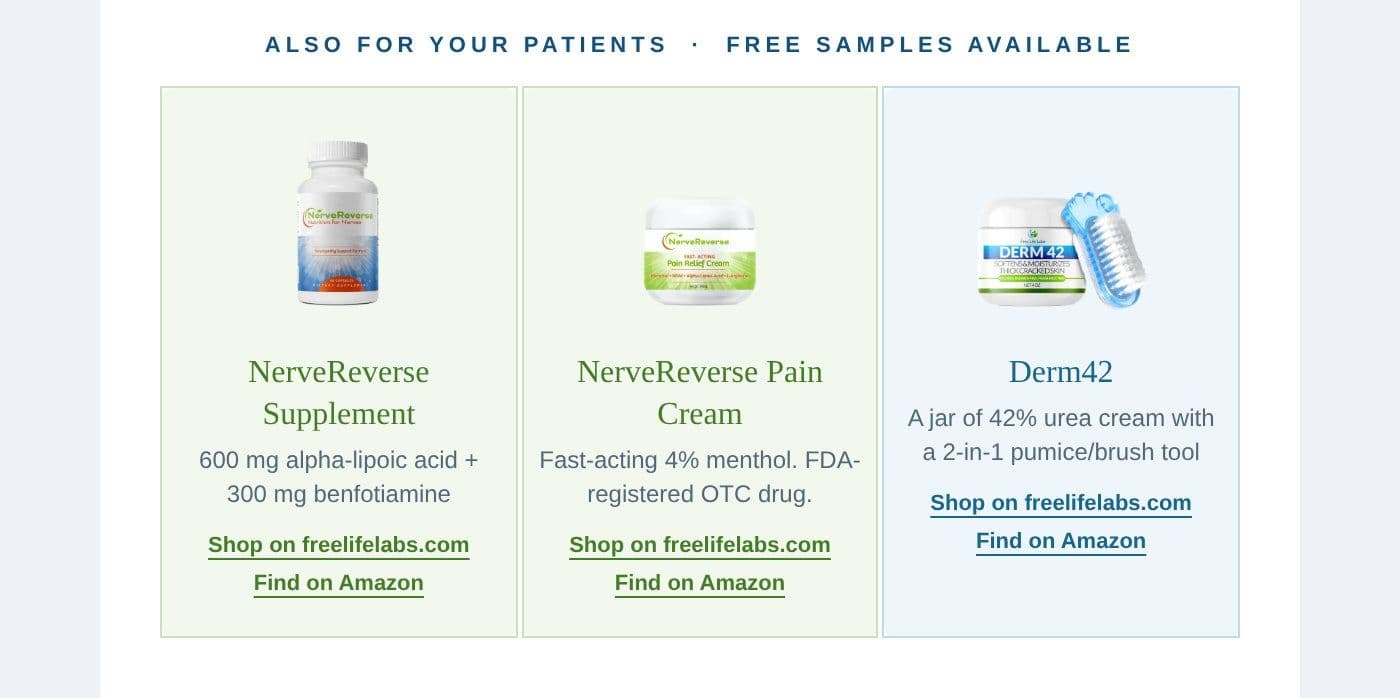
A 4% menthol cream offers a meaningful cooling concentration while remaining simple to use. Free Life Labs' fast-acting neuropathy pain-relief cream, is formulated around 4% menthol to help calm localized nerve discomfort with a cooling sensation. For many people, this is especially appealing in the evening, after being on their feet, or when foot discomfort makes it harder to settle into sleep.
Menthol may be a strong choice if you prefer cooling over heat, have had unpleasant experiences with capsaicin burning, or need relief you can assess right away. It may also fit more naturally into daily routines because you do not have to push through an initial uncomfortable sensation to find out whether it helps.
That said, fast relief is not always long-lasting relief. The sensation can fade, and you may need to reapply according to the product directions. Results also vary based on the cause and severity of discomfort.
When Capsaicin May Be Worth Trying
Capsaicin can be helpful for some people with persistent, localized nerve pain who are willing to use it consistently. Rather than cooling the surface of the skin, it works through repeated contact with the nerve endings involved in pain signaling. This makes it a different type of topical strategy than menthol.
The trade-off is the warm or burning feeling that can occur after applying it. For some people, that sensation is mild and manageable. For others, especially those with sensitive skin or significant burning pain already, it can be too uncomfortable to continue. A product that you cannot use consistently is unlikely to provide the benefit you hoped for.
Capsaicin usually requires patience. Some people may need regular use over several weeks before they can judge whether it is helping. It is not typically the best fit when you need immediate comfort before bed, before leaving the house, or during a sudden flare.
Capsaicin also demands careful handwashing. Even a small amount transferred to the eyes, mouth, nose, or other sensitive areas can cause intense irritation. If you use it on your feet, wash your hands thoroughly after application and avoid touching your face until you do.
Cooling Relief or Warming Relief?
The sensation you prefer is more than a matter of taste. It can determine whether you will actually use the product as directed.
If your symptoms feel hot, burning, irritated, or restless, menthol's cooling effect may offer a more intuitive form of comfort. Many people describe nerve discomfort as heat, buzzing, pins-and-needles, or a burning feeling beneath the skin. A cooling cream can give them a practical way to interrupt that cycle and get back to resting, walking, or wearing shoes more comfortably.
If your discomfort feels more like deep aching and you do not mind warmth, capsaicin may be an option to discuss with your healthcare professional. Its gradual approach can suit people who want to test a consistent, longer-term topical routine.
You do not need to use both at once. Combining products can increase skin irritation and makes it difficult to know what is helping or causing a reaction. Start with one product, follow its label carefully, and give your skin time to respond.
Safety Matters More When You Have Neuropathy
Reduced sensation can make topical products more complicated. If your feet are numb, you may not fully feel burning, irritation, or a developing skin reaction. This is especially relevant for people with diabetes, poor circulation, a history of foot ulcers, or wounds that are slow to heal.
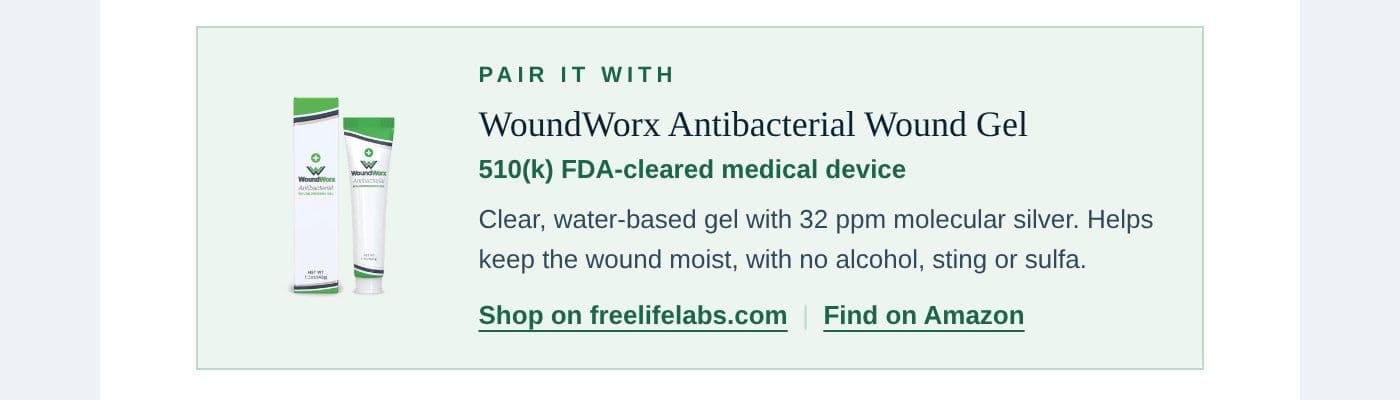
Do not apply menthol or capsaicin cream to open wounds, cracked areas that are bleeding, infected skin, surgical incisions, or skin that is severely irritated unless your clinician has specifically told you to do so. Topical pain relievers are not wound-care products, and damaged skin may absorb ingredients differently or react more strongly.
Before using a new cream broadly, try a small amount on a limited area of intact skin. Stop using it if you develop a rash, swelling, blisters, severe burning, or increasing pain. Seek medical care promptly for signs of infection, such as spreading redness, warmth, drainage, fever, or a wound that is not improving.
Avoid heating pads, hot baths, tight bandages, and other sources of added heat over a freshly treated area. This is particularly critical with capsaicin, since heat can intensify the burning sensation. Keep both products away from the eyes and mucous membranes, and wash your hands after applying either one.
How to Choose a Topical Cream for Daily Life
A useful topical product should fit your symptoms and your routine. Consider when discomfort is worst, whether heat or cooling feels better, and how quickly you need support. If your feet burn at night, a cooling menthol cream may be easier to reach for than a product that can initially make the area feel hotter.
Also consider the health of your skin. Dry, callused, or cracked feet need attention beyond pain relief. A targeted foot moisturizer, such as Derm42, may help support the skin barrier, while wounds or persistent breaks in the skin deserve guidance from a podiatrist, physician, or wound-care professional. Treating pain while overlooking damaged skin can leave a bigger problem unaddressed.
For ongoing numbness, tingling, or burning, bring the full picture to your clinician. Nerve symptoms can be related to diabetes, vitamin deficiencies, medication effects, circulation concerns, spinal issues, and other conditions. A topical cream may help you function more comfortably, but new symptoms, worsening symptoms, balance problems, or changes in skin color should not be managed with cream alone.
Give Yourself a Comfortable Next Step
The choice between menthol and capsaicin is not about finding one universal winner. Menthol can provide fast, cooling comfort when burning and tingling disrupt your day. Capsaicin may help some people over time, but it asks more of your skin and your patience.
Choose the option you can use safely and consistently, protect the skin on your feet, and pay attention to changes rather than pushing through them. Small, dependable steps toward comfort can make it easier to stay mobile, sleep better, and keep doing the everyday things that help you feel like yourself.
This post was published
When Should Wounds Be Covered?
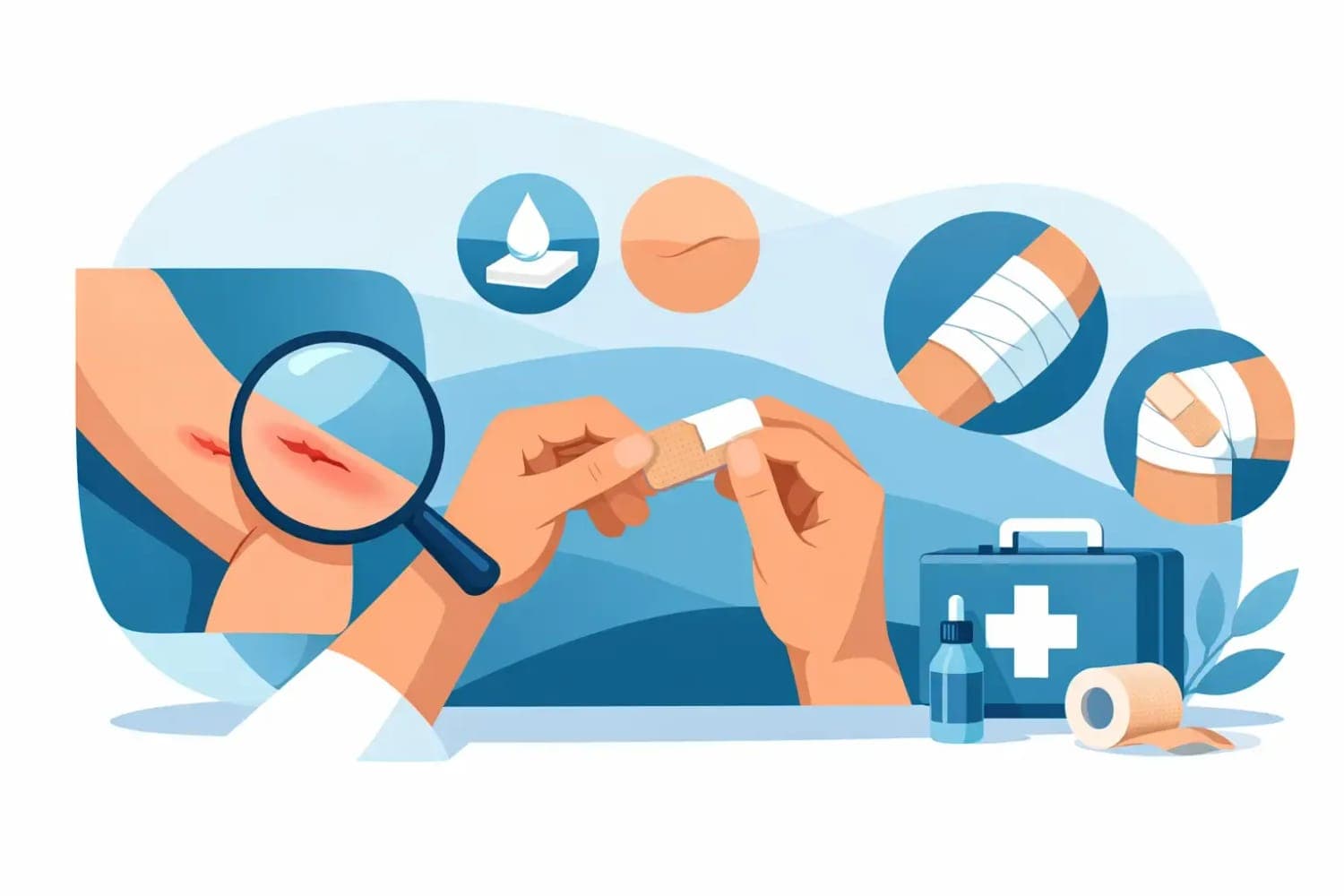
A small cut can look harmless in the morning and feel tender, dry, or irritated by evening. That is why people often ask, when should wounds be covered? For most everyday wounds, the answer is: cover them while they are open, draining, exposed to friction, or likely to pick up dirt. A clean dressing creates protection while the body does the work of repair.
The right approach depends on the wound, where it is located, how much it is draining, and your health history. A scraped knee needs different care than a surgical incision, cracked heel, or slow-healing sore on the foot. If you have diabetes, poor circulation, numbness, or a history of foot ulcers, do not treat a new wound as routine. Early attention can help protect your mobility and independence.
When Should Wounds Be Covered?
In general, cover a wound if the skin is broken and the area could be exposed to bacteria, rubbing, moisture, or debris. This includes cuts, scrapes, blisters that have opened, minor burns, and shallow skin tears.
A dressing is especially useful when the wound is on a high-contact area such as the foot, heel, toe, hand, elbow, knee, or lower leg. Shoes, socks, bedding, and everyday movement can repeatedly rub the injured area. Even a clean wound may reopen when it is not protected from friction.
Covering a wound can also help maintain a slightly moist healing environment. This does not mean leaving it soggy. It means preventing the wound surface from drying into a hard, cracked scab that can split with movement. For many minor wounds, gentle cleansing, a thin layer of appropriate wound ointment if advised, and a clean nonstick dressing can support comfortable healing.
Keep it covered when it is still bleeding, leaking clear fluid, or producing drainage. A dressing protects clothing and surfaces, but more importantly, it lets you monitor how much fluid is coming from the wound. If drainage increases, develops an odor, turns thick or cloudy, or becomes yellow, green, or bloody after initially improving, contact a healthcare professional.
When It May Be Okay to Leave a Wound Uncovered
Some very small, superficial cuts can be left open after they have stopped bleeding, been cleaned, and begun to close. For example, a tiny paper cut on a finger may not need a bandage once it is dry and unlikely to be bumped or contaminated.
There is a trade-off, though. Leaving a wound uncovered can reduce skin irritation from adhesives, but it also exposes the area to rubbing and contamination. If the wound stings when clothing touches it, keeps reopening, or sits in a place where it gets dirty, covering it is usually the better choice.
Avoid relying on the old idea that every wound needs to “air out.” Open air is not automatically better for healing. What matters most is keeping the wound clean, protected, and appropriately moist without trapping excess fluid against the skin.
How to Cover a Minor Wound Properly
Start by washing your hands. Rinse the wound gently with clean running water, and remove visible dirt with a clean cloth or gauze if it comes away easily. Soap can be used on the surrounding skin, but harsh scrubbing directly inside a wound can cause irritation.
Pat the surrounding skin dry. If your clinician has recommended a topical product, use only a thin amount. Then apply a sterile nonstick pad or appropriate bandage that is large enough to cover the wound and the nearby skin. Secure it without wrapping so tightly that it causes numbness, tingling, color changes, or swelling below the dressing.
Change the dressing at least daily, and sooner if it gets wet, dirty, loose, or saturated with drainage. Each change is a chance to check the wound. Healthy progress often looks like less tenderness, less drainage, and gradual closure. A wound does not have to look perfect every day, but it should not be steadily getting more painful, red, warm, or swollen.
Do not repeatedly use hydrogen peroxide, rubbing alcohol, or iodine inside a healing wound unless a clinician specifically tells you to. These products can damage healthy healing tissue. Clean water, gentle handling, and the right dressing are often more useful for everyday minor wound care.
Foot Wounds Need Extra Caution
A blister, crack, or small cut on the foot can become a much bigger concern when you have neuropathy, diabetes, reduced circulation, or limited feeling in your feet. Numbness may prevent you from noticing pain that would otherwise signal a problem. A wound can worsen under a sock or shoe before it feels serious.
Check your feet daily, including between the toes, around the heels, and on the soles. Use a mirror or ask someone you trust for help if bending or vision makes this difficult. Look for broken skin, redness, swelling, drainage, discoloration, calluses with dark spots, or areas that feel warmer than the surrounding skin.
For a minor foot wound, protect it with a clean dressing and reduce pressure on the area. That may mean avoiding the shoes that caused rubbing or limiting activity until you have guidance. Do not place adhesive directly on fragile skin when a nonstick dressing and gentle securing method would work better.
Deep heel cracks deserve attention as well. Cracked skin can create an entry point for bacteria, particularly when the crack bleeds or opens. Intensive foot skin care may help keep intact skin soft and resilient, but do not apply strong creams or exfoliating products into an open wound unless your clinician says it is appropriate. The goal is to support the skin around the wound without irritating the wound itself.
Surgical Incisions: Follow Your Surgeon’s Instructions
After surgery, your surgeon’s discharge instructions come first. Some incisions should stay covered for a specific number of days. Others may be left open after the initial dressing is removed. The recommendation can change based on the procedure, closure method, drainage, incision location, and your individual risk factors.
Keep the original dressing clean and dry unless you were told otherwise. Do not remove surgical strips, staples, sutures, surgical glue, or packing on your own. Ask your care team when you may shower, whether the incision should be covered afterward, and what amount of drainage is expected.
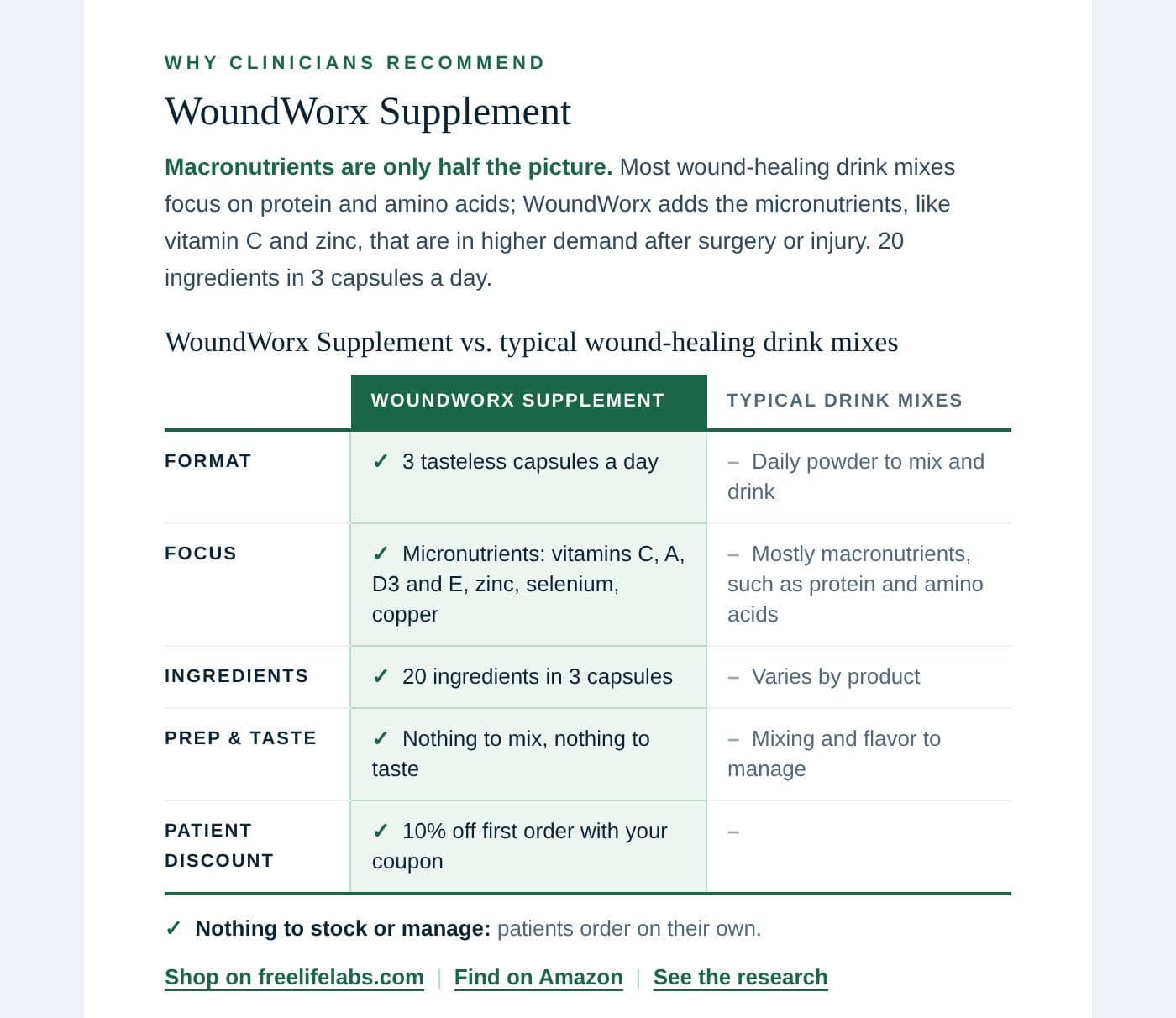
Nutrition matters during recovery, too. Healing properly requires adequate nutrition, including enough calories and protein, along with key vitamins and minerals. If appetite is poor after surgery or a wound has been slow to heal, ask your clinician whether targeted nutritional support makes sense for your recovery plan.
Signs a Covered Wound Needs Medical Care
A bandage is not a substitute for medical evaluation. Seek urgent care for a wound that will not stop bleeding after firm direct pressure, is deep or gaping, was caused by an animal or human bite, contains embedded debris, or resulted from a dirty puncture. You may also need a tetanus update depending on the injury and your vaccination history.
Call a healthcare professional promptly if you notice spreading redness, worsening pain, warmth, swelling, pus-like drainage, a bad smell, red streaks, fever, chills, or black, gray, or blue tissue. These can be signs of infection or impaired blood flow.
For people with diabetes, neuropathy, circulation problems, immune suppression, or a previous foot ulcer, contact a podiatrist or healthcare provider early for any new foot wound, blister, crack that opens, or unexplained area of redness. Waiting for pain can be risky when feeling is reduced.
The Best Dressing Is the One You Can Monitor
There is no single bandage that is right for every wound. A small, dry cut may need a simple adhesive bandage, while a draining wound may need an absorbent dressing selected by a clinician. The best option protects the area, does not stick painfully to healing tissue, manages drainage, and allows you to check for changes.
If you are unsure whether to keep a wound covered, use this practical rule: protect broken skin until it has closed, stopped draining, and can handle normal contact without reopening. Then continue watching it closely. Careful daily attention, especially for your feet, can help keep a minor skin injury from taking away the comfort and freedom you rely on.
This post was published
How to Improve Foot Circulation at Home Safely
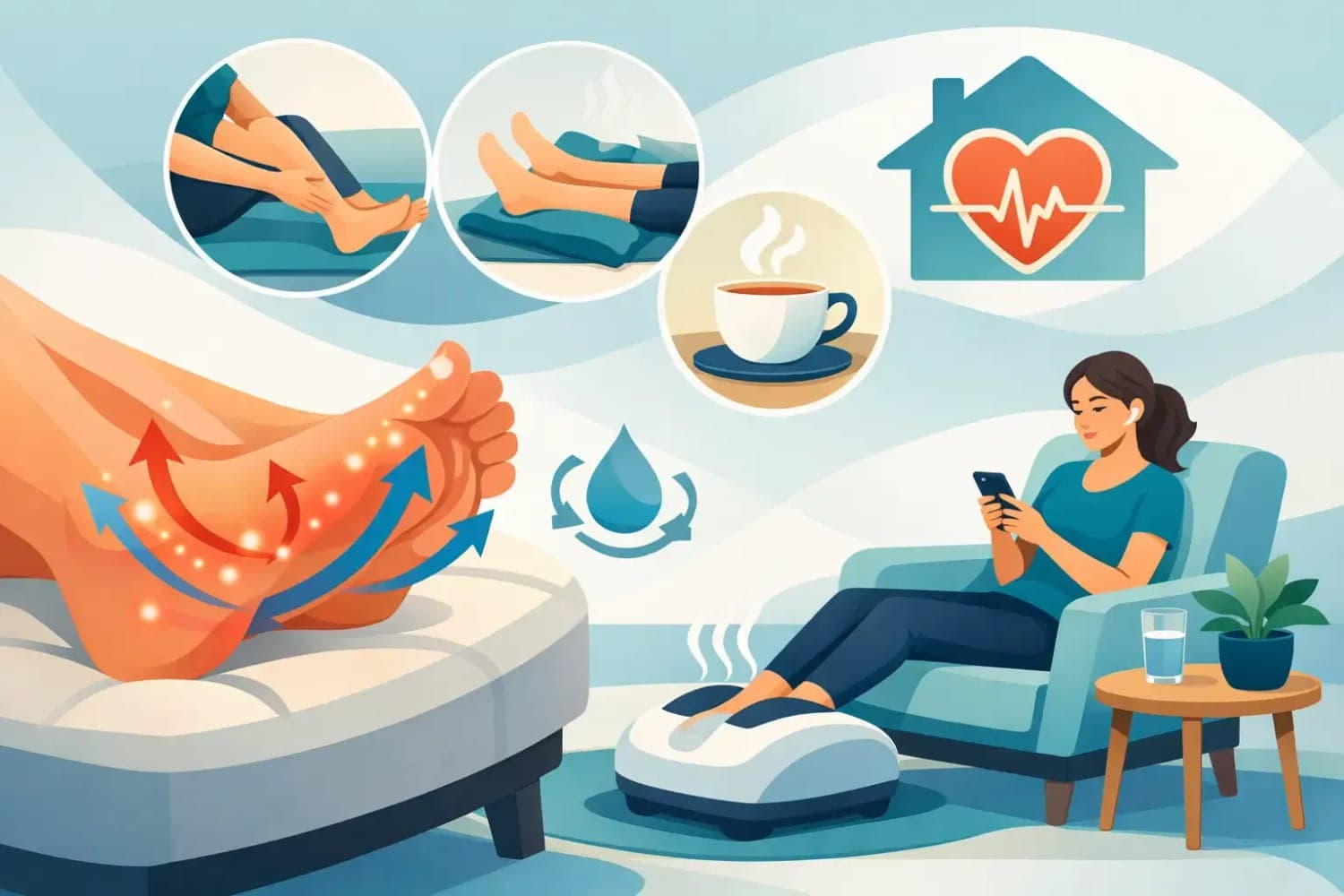
A foot that feels cold, numb, tingly, or unusually tired can make a short trip to the mailbox feel like a bigger task than it should. If you are wondering how to improve foot circulation, the right approach starts with gentle daily movement, protective foot care, and knowing when a circulation problem needs medical attention rather than a home remedy.
Good circulation delivers oxygen and nutrients to the tissues in your feet. It also supports skin health and the body’s natural healing process. For people managing diabetes, neuropathy symptoms, reduced mobility, or recovery after surgery, protecting circulation is one practical way to support comfort and confidence on your feet.
What poor foot circulation can feel like
Poor circulation is often used to describe several different problems. Peripheral artery disease, or PAD, involves narrowed arteries that reduce blood flow. Swelling from vein problems, sitting for long periods, nerve damage, certain medications, and cold temperatures can also leave feet feeling uncomfortable or different.
Symptoms can include cold feet, skin that looks pale, bluish, or shiny, cramping in the calves when walking, slow-healing sores, or changes in toenail growth. Numbness, burning, and tingling may be caused by neuropathy rather than reduced blood flow, though both concerns can occur at the same time. That distinction matters because nerve symptoms and artery problems need different care.
How to improve foot circulation with movement
Your calf muscles help move blood back toward your heart. Regular movement gives those muscles a chance to do their job, even if a long walk is not realistic right now.
Start with the amount of activity that feels safe for your body. A few short walks spread through the day are often more manageable than one demanding session. Walk indoors, around the yard, or through a store if weather and balance make outdoor walking difficult. Supportive shoes and a stable walking surface can make a meaningful difference.
When you are sitting, try ankle pumps: point your toes away from you, then pull them back toward your shins. Add slow ankle circles in both directions. These simple movements can be done while watching television, reading, or riding in a car as a passenger. If you have been cleared for it, seated heel raises and toe raises are another low-impact way to engage the lower legs.
The goal is consistency, not pushing through pain. Stop and contact a clinician if walking brings on chest pain, severe shortness of breath, dizziness, or intense leg pain. If calf cramping repeatedly appears with walking and eases with rest, ask your healthcare provider about PAD screening.
Avoid staying in one position too long
Long periods of sitting can contribute to stiffness and swelling. Set a reminder to stand, stretch, or move your ankles at least once an hour when possible. On long drives or flights, take regular breaks to walk briefly and move your feet.
If swelling is your main issue, elevating your feet above heart level for short periods may help fluid move out of the lower legs. But elevation is not a treatment for blocked arteries. If your feet are cold, painful at rest, or have wounds that are not healing, get medical guidance instead of relying on positioning alone.
Protect your feet from pressure, injury, and temperature extremes
Better circulation support also means reducing the daily stress placed on vulnerable feet. Tight shoes, tight socks, and footwear that rubs can leave marks, worsen discomfort, and increase the risk of skin breakdown. Choose shoes with enough room in the toe box and socks without tight elastic bands at the top.
Do not use heating pads, hot water bottles, or very hot foot baths to warm cold feet, especially if you have neuropathy. Numbness can prevent you from recognizing a burn until damage has already occurred. Warm socks and properly fitted shoes are safer choices.
Check your feet every day, including between the toes and the bottoms of your feet. Look for cuts, blisters, redness, drainage, cracks, swelling, or color changes. Use a mirror or ask someone you trust for help if reaching your feet is difficult. Catching a small problem early can prevent it from becoming a wound that limits your mobility.
Make skin care part of your circulation routine
Dry, cracked skin creates openings where irritation and infection can begin. Wash feet with lukewarm water, dry carefully, and moisturize the tops and bottoms of your feet daily. Avoid putting heavy cream between the toes, where excess moisture can encourage skin problems.
For thick, severely dry, or cracked heel skin, a maximum-strength urea cream can help soften and hydrate rough areas when used as directed. Free Life Labs Derm 42 contains 42% urea for intensive foot skin care. It is designed to support healthier-looking, more comfortable skin, but it is not a substitute for wound care. Do not apply strong exfoliating creams to open sores, infected skin, or areas your clinician has told you to protect.
Proper nutrition also supports healthy tissue. Regular meals with adequate protein, fluids, and a variety of fruits and vegetables give your body the building blocks it needs for recovery. If you have diabetes, keeping blood glucose within the range recommended by your care team is especially important for blood vessel, nerve, and wound health.
Address the habits that restrict circulation
Smoking and nicotine products constrict blood vessels and raise the risk of PAD, delayed healing, and serious foot complications. Quitting is one of the most powerful steps you can take for circulation, even if you have smoked for years. A clinician, pharmacist, or cessation program can help you choose a plan that fits your needs.
Managing blood pressure, cholesterol, and diabetes is equally important. These conditions can damage blood vessels gradually, sometimes before you notice obvious symptoms. Take prescribed medications as directed and keep follow-up appointments. Supplements, massage, and topical products may offer symptom support for some people, but they cannot open blocked arteries or replace treatment for vascular disease.
Compression socks can help some people with leg swelling or vein-related discomfort, but they are not right for everyone. If you have known or suspected PAD, severe neuropathy, heart failure, significant swelling, or a foot wound, ask your clinician before using compression. The correct level of compression depends on the reason for your symptoms.
When foot circulation needs prompt medical care
Do not wait for a routine appointment if you notice a sudden or major change in one foot or leg. Seek urgent medical care for these signs:
A foot that suddenly becomes cold, pale, blue, severely painful, or difficult to move
A new open sore, blackened area, spreading redness, drainage, or fever
Leg swelling with warmth, redness, tenderness, chest pain, or shortness of breath
Pain in the foot at rest, especially pain that wakes you at night
A wound that is not improving or appears to be getting larger
People with diabetes should take any blister, cut, puncture, or new area of redness seriously. Neuropathy can make a wound feel painless while it becomes more severe. A podiatrist, primary care clinician, or vascular specialist can assess pulses, skin changes, nerve symptoms, and whether testing is needed.
Build a routine you can keep
The most effective plan is usually not complicated. Move your ankles when you sit, walk in short safe intervals, wear shoes that protect your feet, inspect your skin daily, and act quickly when something changes. These habits support the freedom to stay active without ignoring the warning signs your feet may be giving you.
If discomfort, numbness, cramping, or skin changes are keeping you from living normally, you deserve a clear answer about what is causing them. Start with one manageable habit today, then bring persistent symptoms to a healthcare professional who can help you get back on your feet safely.
This post was published
Urea Cream for Feet: When 42% Makes Sense
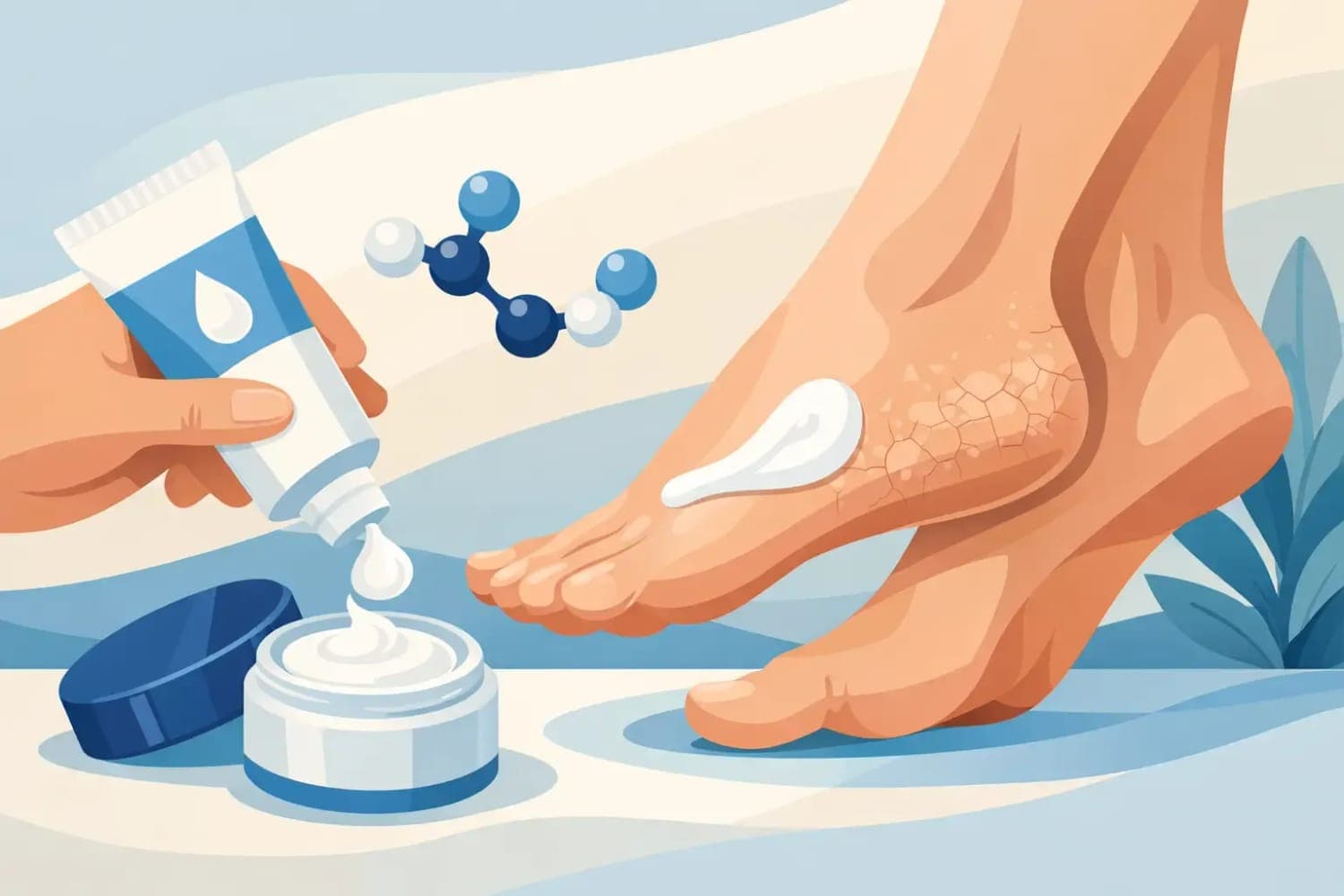
A heel can feel like sandpaper long before it becomes visibly cracked. Then socks snag, walking hurts, and a simple shower stings. Urea cream for feet is made for this kind of stubborn dryness because it does more than coat the skin - it helps soften built-up, hardened skin so moisture can do its job.
For people managing dry feet, reduced mobility, diabetes-related foot concerns, or changes in skin that come with age, consistent care can make daily movement more comfortable. The right urea strength and routine matter, especially when thick calluses and heel fissures are part of the picture.
Why feet become dry, thick, and cracked
The skin on your soles works hard. It bears pressure with every step, has fewer oil glands than most areas of the body, and can lose moisture quickly in dry air, open-back shoes, or long hot showers. When skin is repeatedly stressed and dehydrated, it can respond by becoming thicker. That thick layer may feel protective at first, but it is less flexible and more likely to split.
Cracked heels are not only a cosmetic concern. Deep fissures can be painful, catch on fabric, and create an opening where bacteria may enter. Poor circulation, neuropathy, prolonged standing, obesity, certain skin conditions, and poorly fitting footwear can all make the problem harder to manage.
For someone with numbness, tingling, or reduced sensation, cracks may be easy to miss until they become more serious. That is why a regular foot check and a purposeful moisturizing routine are practical forms of prevention.
How urea cream for feet works
Urea is a substance that occurs naturally in healthy skin. In skincare, it is used as a humectant and keratolytic. In plain language, it draws water into dry skin and helps loosen the bonds holding dead, thickened skin cells together.
This two-part action is what sets urea apart from a basic lotion. A standard moisturizer may make the surface feel smoother for a few hours. A well-formulated urea cream can help soften rough, hardened areas over time while supporting the skin's moisture barrier.
The concentration makes a real difference. Lower-strength urea products can be useful for everyday dryness. Higher concentrations are generally better suited to thick calluses, severe heel roughness, and persistent cracking. Maximum-strength 42% urea creams, such as Derm 42 from Free Life Labs, are designed for intensive foot skin care when ordinary lotions are no longer enough.
Higher strength is not automatically better for every situation. If your skin is mildly dry, sensitive, freshly shaved, or irritated, a strong formula may sting. The goal is not to use the highest possible percentage. It is to use a formula that softens stubborn skin without making already vulnerable skin feel worse.
When a 42% urea cream may be a good fit
A high-strength urea cream may make sense when your heels remain thick and rough despite regular moisturizing, or when callused skin has become hard, yellowed, flaky, or prone to splitting. It can also help people whose feet become dry quickly because of age, climate, closed shoes, or reduced circulation.
Results are usually gradual rather than overnight. In the first several applications, the skin may feel softer. Over the following days and weeks, thick areas can become easier to manage and less likely to catch, peel, or crack. Consistency is what gives the active ingredient time to work.
Apply cream to clean, thoroughly dried feet, paying close attention to heels, the balls of the feet, and other thickened areas. Do not put it between the toes unless a healthcare professional has instructed you to do so. Excess moisture between toes can contribute to skin breakdown and fungal growth.
Many people do well applying a rich urea cream once daily, often at night when they can wear clean cotton socks afterward. If the product directions allow for more frequent use and your skin tolerates it, twice-daily application may be helpful during a period of intensive repair. Wash your hands after use and give the cream time to absorb before walking barefoot.
Pair cream with habits that protect your skin
Urea cream works best as part of a simple, steady foot-care routine. You do not need to scrub aggressively or use harsh tools to get results. In fact, over-filing can trigger irritation and lead the skin to thicken again.
After bathing, pat feet dry rather than rubbing them hard, then apply your cream while the skin is clean and ready for moisture. Keep showers warm rather than very hot, since hot water can worsen dryness. Choose supportive shoes that do not rub against your heels, and wear socks that wick away moisture without tight seams.
If you have a thick callus but your skin is intact and you have normal feeling and circulation, gentle use of a foot file after bathing may be appropriate. Stop if the area becomes tender, red, or raw. Never cut calluses with a blade or attempt to peel away thick skin yourself.
For people with diabetes, peripheral neuropathy, poor circulation, or a history of foot ulcers, professional guidance is the safer choice before filing, scraping, or using chemical callus removers. A podiatrist can help determine whether the thick skin is routine dryness or a pressure point that needs a different solution.
When cracked feet need medical attention
A moisturizer is supportive care, not a substitute for treating an infection, ulcer, or wound. Do not apply a strong urea cream directly into an open, bleeding, draining, or deeply split wound unless your clinician specifically tells you to.
Contact a healthcare professional promptly if you notice any of the following:
Redness, warmth, swelling, pus, odor, or increasing pain around a crack A wound, blister, or fissure that is open or not improving
Skin that turns dark, blue, pale, or unusually cold
Fever or feeling unwell along with a foot problem
Any new break in the skin if you have diabetes, neuropathy, poor circulation, or immune-system concerns
Neuropathy can reduce the warning signal of pain. That means a small crack may not hurt much even when it needs attention. Looking at the bottoms of your feet every day, using a mirror if needed, can help you spot changes before they disrupt your mobility.
What to expect from your routine
Foot skin did not become thick and dry in a day, and it usually will not return to a healthier condition after one application. Give a urea-based routine time. Track practical changes: Are your heels less rough? Do socks stop catching? Is walking more comfortable? Are cracks becoming shallower rather than deeper?
If there is no improvement after two to three weeks of consistent use, reassess. You may need to change your footwear, address pressure points, treat an underlying skin condition, or speak with a podiatrist. Persistent dryness can sometimes be a sign that your feet need more than moisture alone.
Comfortable feet support more than a better-looking heel. They make it easier to stand at the counter, take a walk, keep an appointment, and stay involved in the life you enjoy. Start with clean feet, a consistent application, and the attention to small changes that helps keep small problems from becoming bigger ones.
This post was published
Debunking the Myth that Nerves Can't Be Healed.
Have you ever been told that once nerves are damaged, there's nothing you can do?
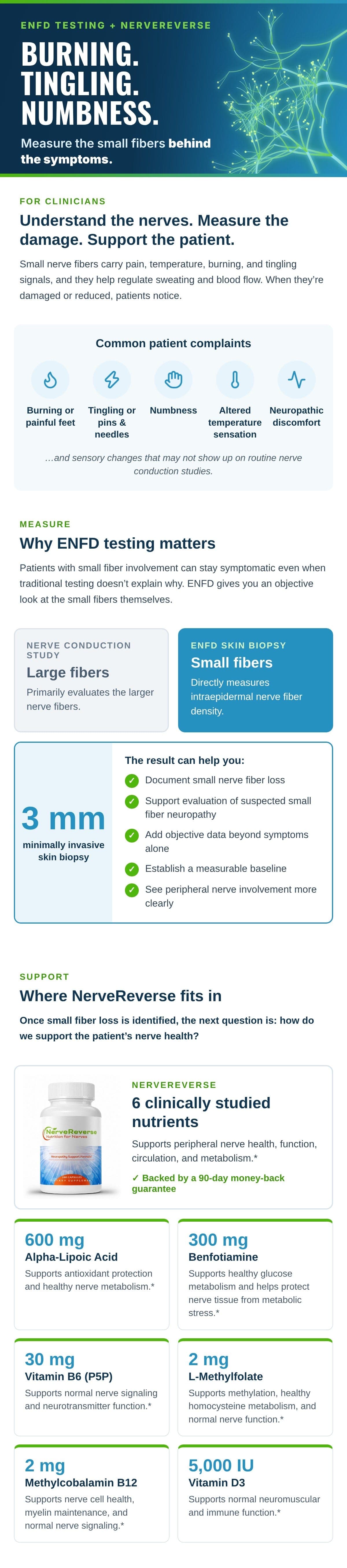
While nerves aren't always able to fully recover, research has shown that certain B vitamins play an important role in supporting nerve health and helping the body maintain healthy nerve function.
If you've ever wondered whether nutrition can make a difference for your nerves, I think you'll find this video helpful. You can check out the clinical studies done on ingredients for neuropathy on our website here.
Live Healthy, Live Free
Ben Pogue- Founder

This post was published
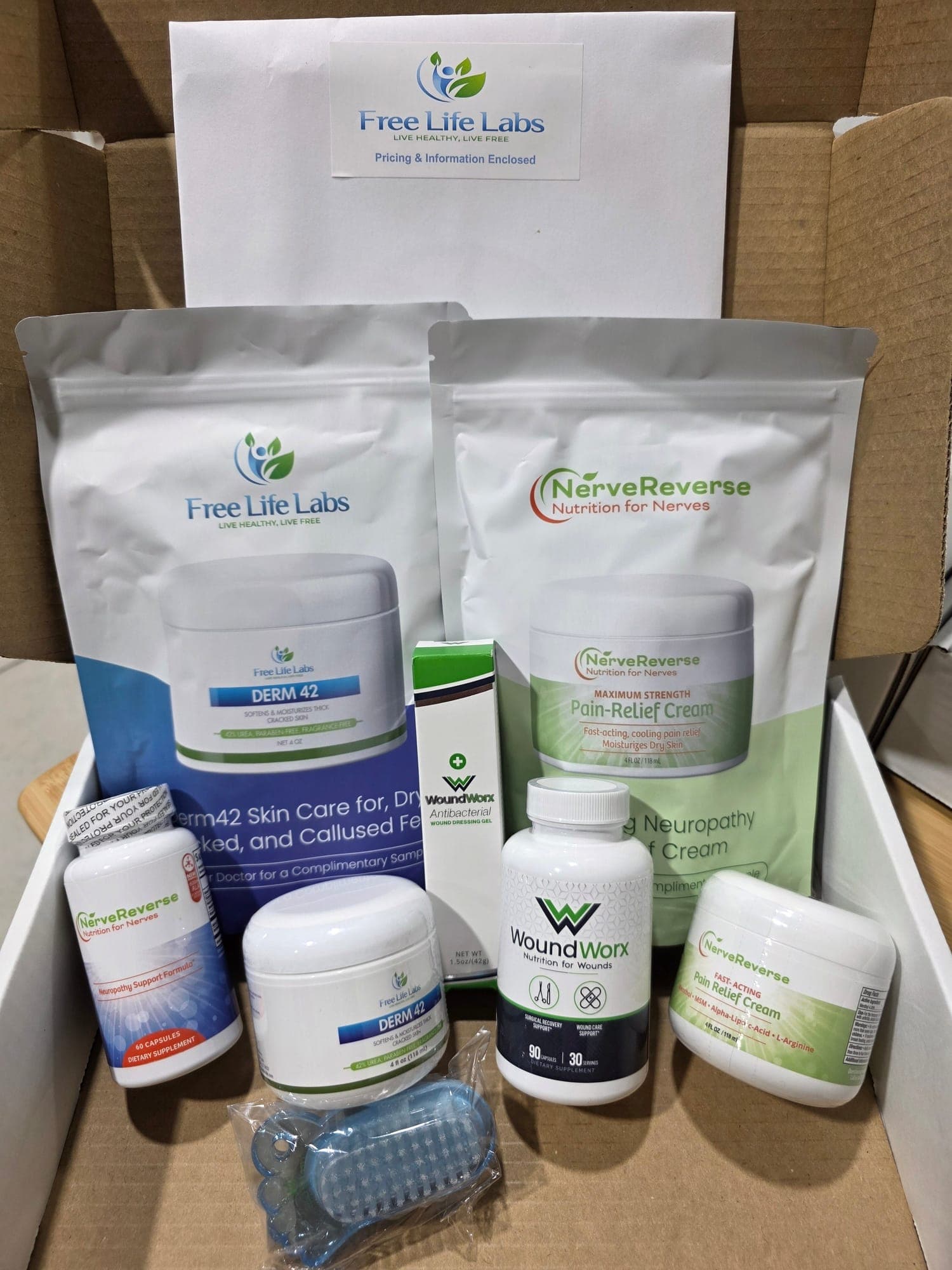
I wanted to follow up and see how the complimentary samples have been working in your practice. Have you had a chance to share them with patients, if so, have you received any feedback?
If you're ready to begin offering any of our products in your office, I'd like to make it easy to get started with 50% off your first wholesale case of each product. (up to a $700 Value)
- 100% money-back guarantee on all products
- Patient brochures and educational materials
- Product samples
- In-office posters and marketing materials
If you have any questions or would like to place your first order, simply reply to this email. I'd be happy to help you get started.
Thank you, and I look forward to hearing how your patients are doing!
This post was published

Why Quality Matters at Free Life Labs
One question I often hear is:
"What makes Free Life Labs products different?"
It's a fair question.
The supplement industry can be confusing, and not all products are created with the same standards. That's why, from day one, we've been committed to one simple principle:
Never compromise on quality.
Here's what that means for every product we create:
✔ Third-Party Tested
We have our products independently tested to help verify identity, purity, and quality. We believe you deserve confidence in what you're putting into your body.
✔ Carefully Selected Ingredients
We don't choose ingredients based on what's cheapest—we choose them based on quality and the science behind them. Whenever possible, we use forms of nutrients selected for their bioavailability, helping your body absorb and utilize them effectively.
✔ Manufactured to High Standards
Our products are manufactured in facilities that follow current Good Manufacturing Practices (cGMPs), helping ensure consistent quality from batch to batch.
✔ A Risk-Free Guarantee
We stand behind every product we sell. If you're not satisfied, we offer a money-back guarantee because we believe you should feel confident when trying our products.
At Free Life Labs, we're continually looking for ways to improve our formulas, our manufacturing, and the experience we provide our customers.
Thank you for trusting us. We're honored to be part of your wellness journey.
If you have a question about how we formulate or test our products, simply reply to this email. I'd love to hear from you.
Thank you,
Ben Pogue
Founder & CEO
Free Life Labs
This post was published

Why I started Free Life Labs...
The answer is personal.
Years ago, my father developed peripheral nerve discomfort due to his diabetes. Like many people, he was looking for options that could support his quality of life. I spent countless hours researching nutritional ingredients, reading clinical studies, and speaking with healthcare professionals to better understand what science suggested might help support healthy nerve function.
That journey eventually led to the creation of our first product, NerveReverse.
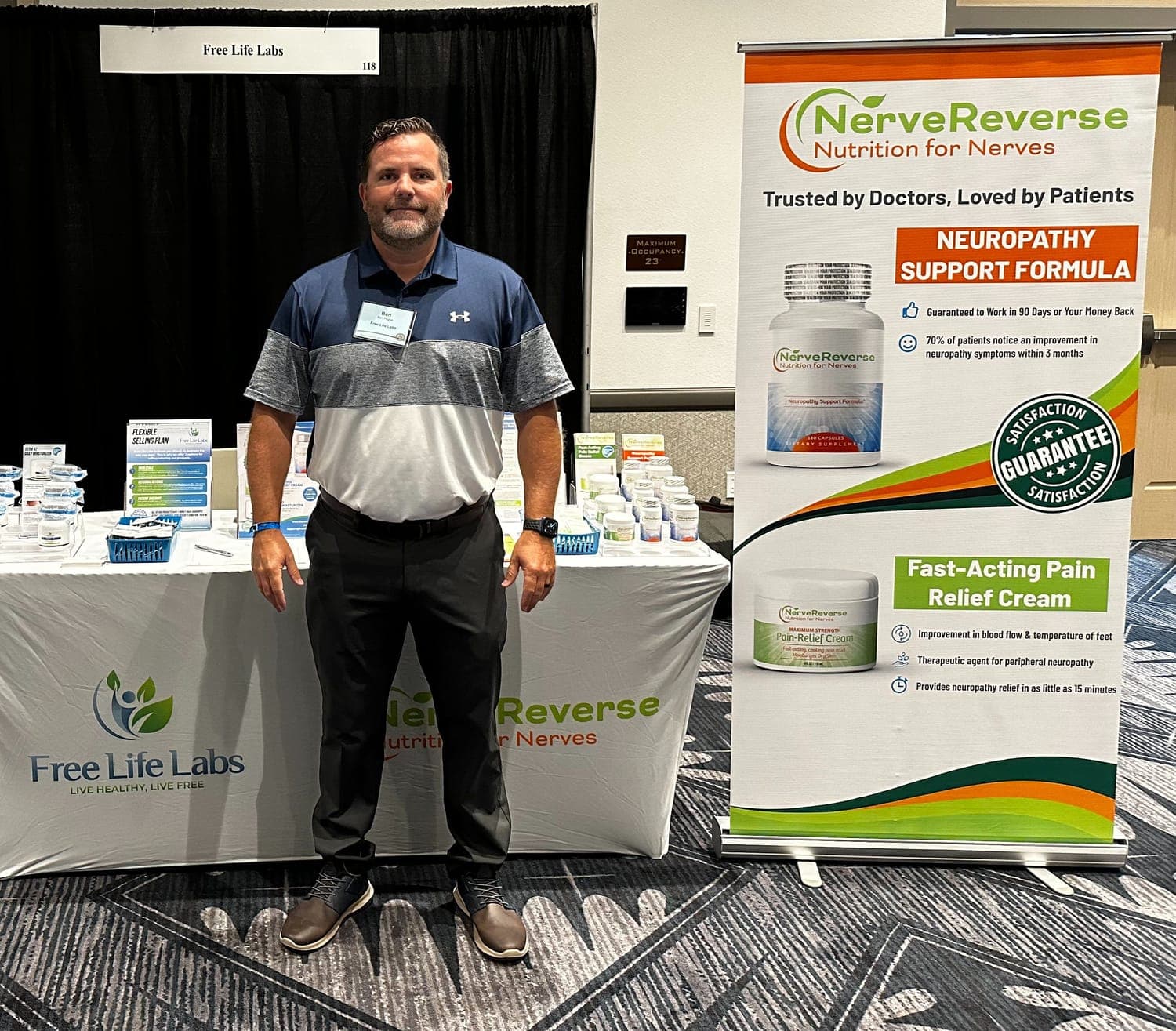
From the beginning, my philosophy has been simple:
Create products I would confidently recommend to my own family.
That means carefully selecting ingredients, working with trusted manufacturing partners, and continuously looking for ways to improve what we offer.
Today, we're grateful to work with healthcare professionals across the country and to serve thousands of customers who trust our products.
Thank you for being part of this journey.
I'd love to hear from you.
Just hit Reply and let me know your feedback on our products. Also, if you have any specific questions on our products or ingredients, I'm happy to answer. I read every response.
Live Healthy, Live Free
Ben Pogue - Founder and CEO
This post was published